Rebuilding Futures

Inside Carteret CC’s Life-Changing Reentry Program
How education, mentorship, and second chances are transforming lives at Carteret Correctional Center
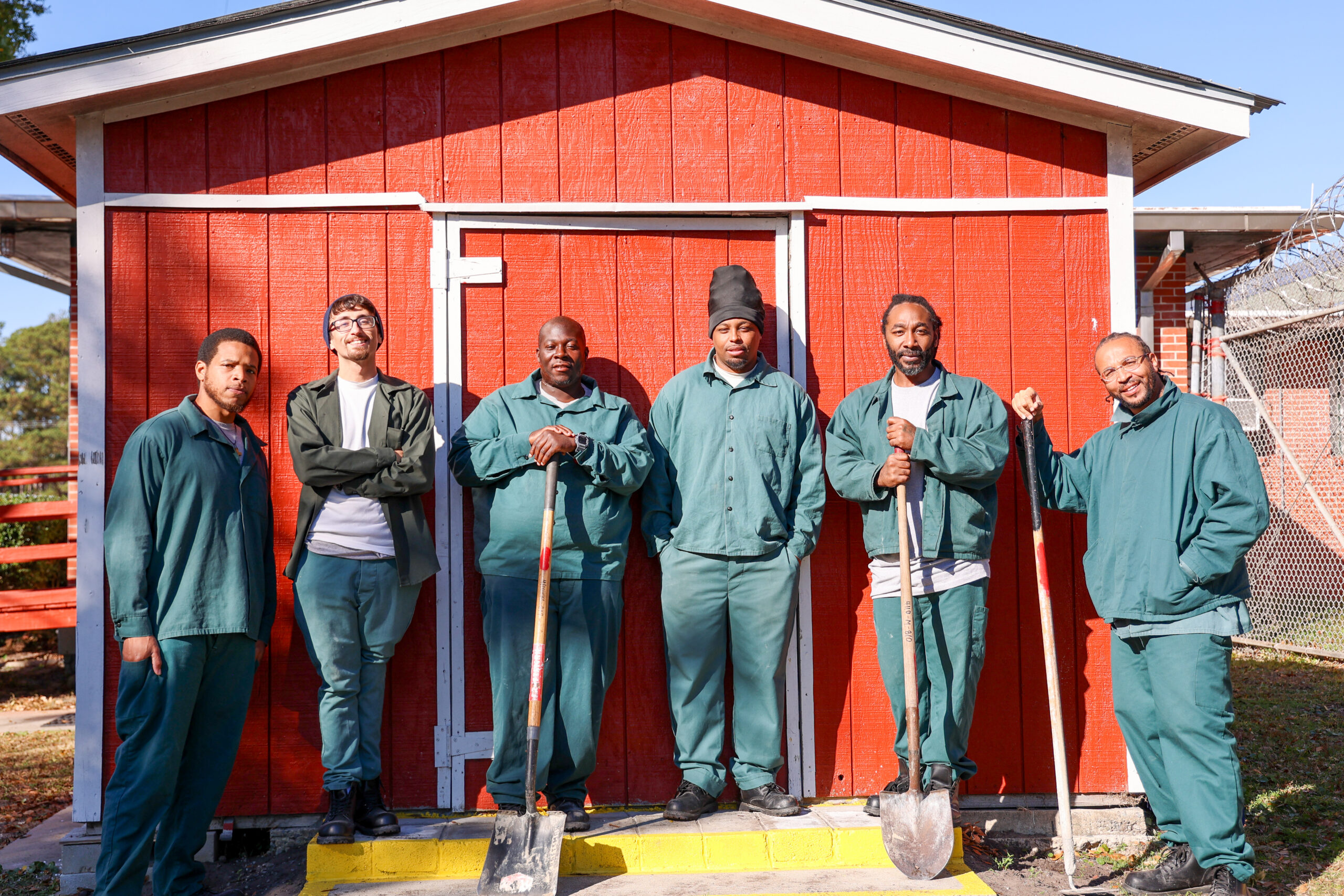
Inside the fences of Carteret Correctional Center, where hope can sometimes feel scarce, something life-changing is happening. It starts in two classrooms and a pair of mobile units. It grows through hands-on learning, patient mentorship, and the belief that every person—no matter their past—deserves a chance to build a better future.
One student described the moment his perspective changed:
“I enrolled in the class just to get to Carteret… I thought I’d sleep until graduation. Man, was I wrong. We learned so much about life and what it takes to be successful out there. I feel ready for it now.”
For more than 30 years, Carteret Community College has brought education into the prison system, but today’s reentry partnership is more than classes. It is a lifeline woven with dignity, opportunity, and the belief that people can transform when a community believes in them.
A Foundation Built on Support, Not Judgment
The reentry program led by Carteret CC is not a checklist of requirements—it is a support system created intentionally for real lives and real challenges. Reentry Coordinator Terrell Henry explains, “These programs provide applicable skill sets that translate to the job market of Carteret and surrounding areas.”
Students gain far more than technical skills. The college provides job placement assistance, case management, NCWorks and WIOA support, transportation help, referrals for clothing, food, and shelter, work readiness tools and safety gear, and pathways to meaningful certifications. 
These supports matter deeply. Most students are navigating reentry alone—often with no savings, no transportation, and no home to return to. For many, the college program becomes the bridge to stability.
One student shared, “It makes me feel like people care enough about us to invest in us. We haven’t been thrown away. They remember us.”
Inside the Classroom: Where Transformation Begins
Classes run Monday through Thursday, mirroring the consistency and expectations of real employment. Enrollment is limited, allowing instructors to focus on patience, presence, and personal growth.
To join the program, students must maintain good behavior, have clean drug screens, hold a GED or diploma, and meet certain custody criteria—sometimes waiting months or years for a spot. 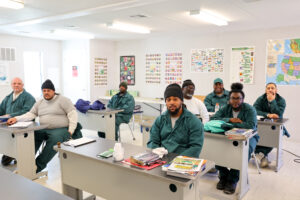
Mr. Brown, one of the program’s most respected instructors, says he sees more than skill-building. “It’s fulfilling to see a student go from a quiet, insecure boy into a man willing to lead… willing to speak up… willing to try.”
Students notice that care. “Mr. Brown treats us like real people. You can tell he loves what he does,” one shared.
In these classrooms, dignity becomes the first lesson.
Discovering Purpose After Years of Being Defined by the Past
Students learn teamwork, accountability, leadership, patience, critical thinking, and how to show up even on hard days. One student shared proudly, “My kids were so excited to tell their friends my dad is in college!” Another heard his mother tell him she was proud—something he had never heard before.
For many, these classes help rewrite a personal story shaped by trauma, addiction, or cycles of incarceration. “I never knew what else I could do besides sell drugs,” one student admitted. “I think this would be a good job so I can provide for my family.”
This program is not just about trades—it’s about discovering self-worth.
Real Jobs. Real Income. Real Reintegration.
Completion rates hover around 75%, with up to 36 bricklaying and 30 horticulture students graduating each year. Many transition straight to work release, earning income, saving money, and proving themselves to local employers. 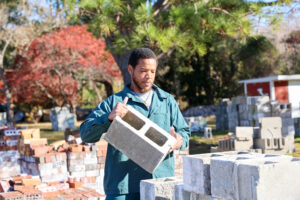
One student, incarcerated for 28 years, now works at a restaurant on Emerald Isle. He has saved enough to purchase his first vehicle—despite never having driven before. That first drive will represent far more than freedom; it will represent possibility.
A Community That Benefits When People Succeed
Carteret County’s economy depends on skilled and dependable workers. Reentry graduates help fill critical workforce needs, and employers increasingly recognize their value. The partnership connects directly with local hiring demands and has strengthened relationships between the college, employers, and community organizations.
 Each success story ripples outward—strengthening families, workplaces, and the county itself.
Looking to the Future
Although physical space inside the prison is limited, Carteret CC is exploring new offerings such as forklift certification, small business operations, and additional trade pathways. These programs open doors for students to imagine futures they once believed were impossible.
As one student put it, “The first day we made a five-year plan, I didn’t know what to put. No one ever asked me that before. Now I have a plan—and it’s a damn good one.”
Why Second Chances Matter
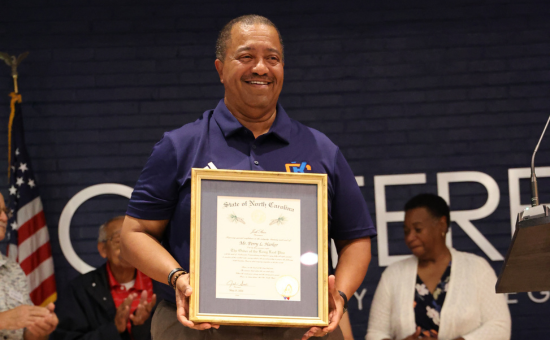
When asked about what message Carteret Community College hopes the community hears, Vice President of Workforce Continuing Education Mr. Perry Harker offered a powerful truth:
“Second chances strengthen families, employers, and the entire region. When we invest in adult learners, returning citizens, single parents, and those who never finished school, we unlock talent that already lives here.”
Workforce development is not just about jobs—it’s about dignity, stability, and belonging.
“These classes mean a future, income, and stability for our families,” one student said.
And that’s exactly what Carteret CC is fighting for. 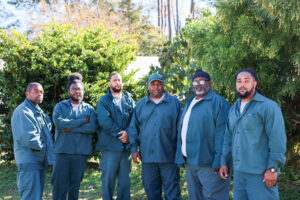
This program does more than change one life—it transforms families, workplaces, and communities. It gives people a chance to rewrite their story… one brick, one plant, one day at a time.